
Why Venues Need Competitive Socialising
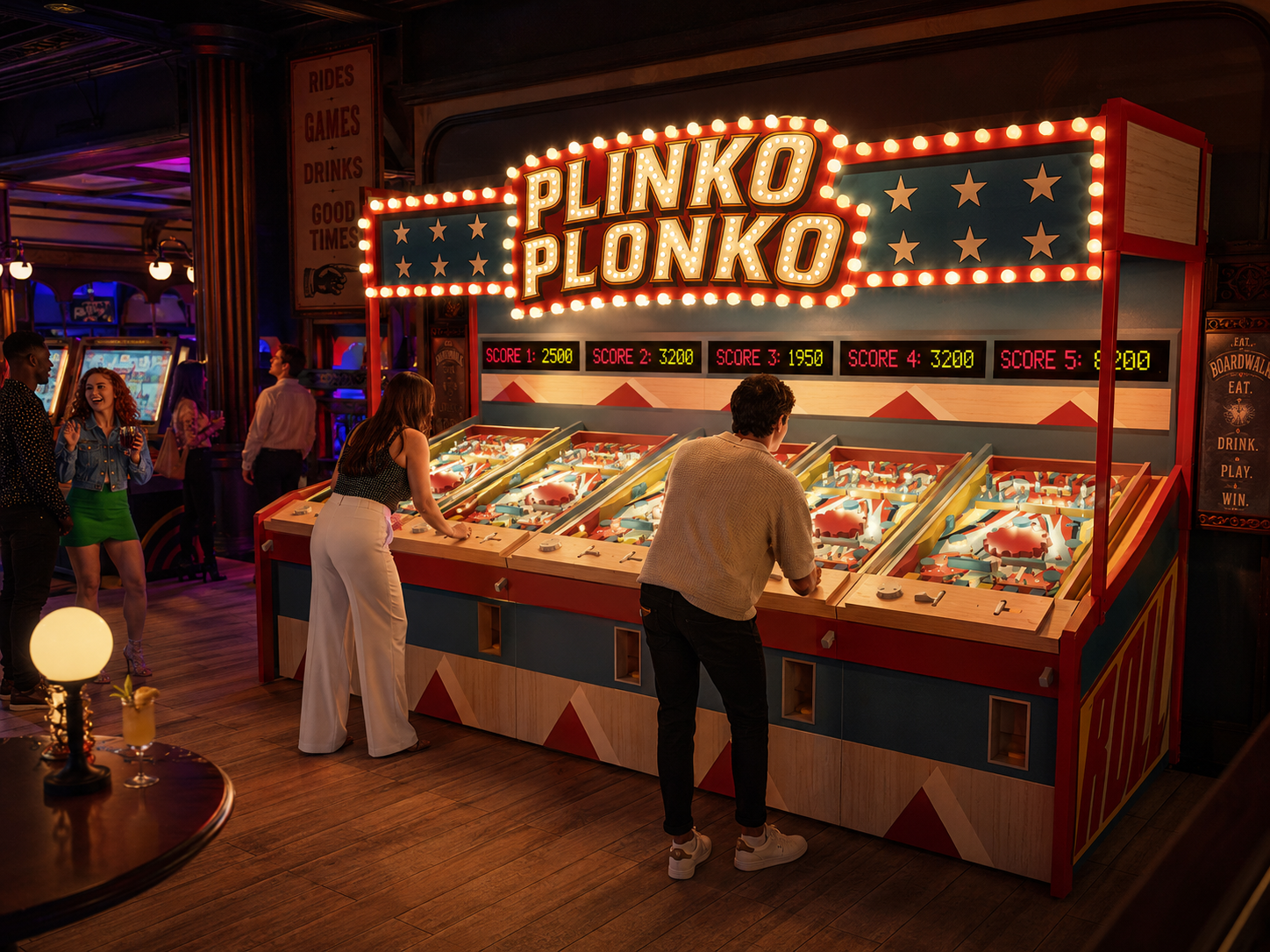
Venue operators now have more choices than ever when it comes to entertainment. For many, the real question is no longer whether to offer an activity, but which type of activity makes the most sense for the space, the audience and the commercial model. That is why more people are comparing competitive socialising vs arcade entertainment and looking more closely at competitive socialising vs traditional games.
All of these formats can work in the right setting. Arcade entertainment still has strong appeal. Traditional games still have value. But competitive socialising offers something different. It is built around group play, social energy and repeat engagement in a way that fits modern hospitality and leisure venues more naturally.
This guide looks at the differences in simple terms, so venue operators can better understand where each format fits and why competitive socialising continues to grow.
The Shift in Modern Hospitality
Increasing Dwell Time and Repeat Visits
One of the clearest commercial benefits of competitive socialising is the effect it can have on dwell time. When guests have an activity built into the visit, they are more likely to stay longer rather than leave after one drink or one meal.
Longer visits often create better spend opportunities across food and drink. They also give the venue more time to build atmosphere, encourage group interaction and make the overall experience feel worth repeating. That is why competitive socialising for venues is not just about the game itself. It is about the wider value created around it.
Repeat visits matter too. If the experience feels social, engaging and easy to come back to, guests are more likely to return with friends, book again for another occasion or recommend the venue to other people.
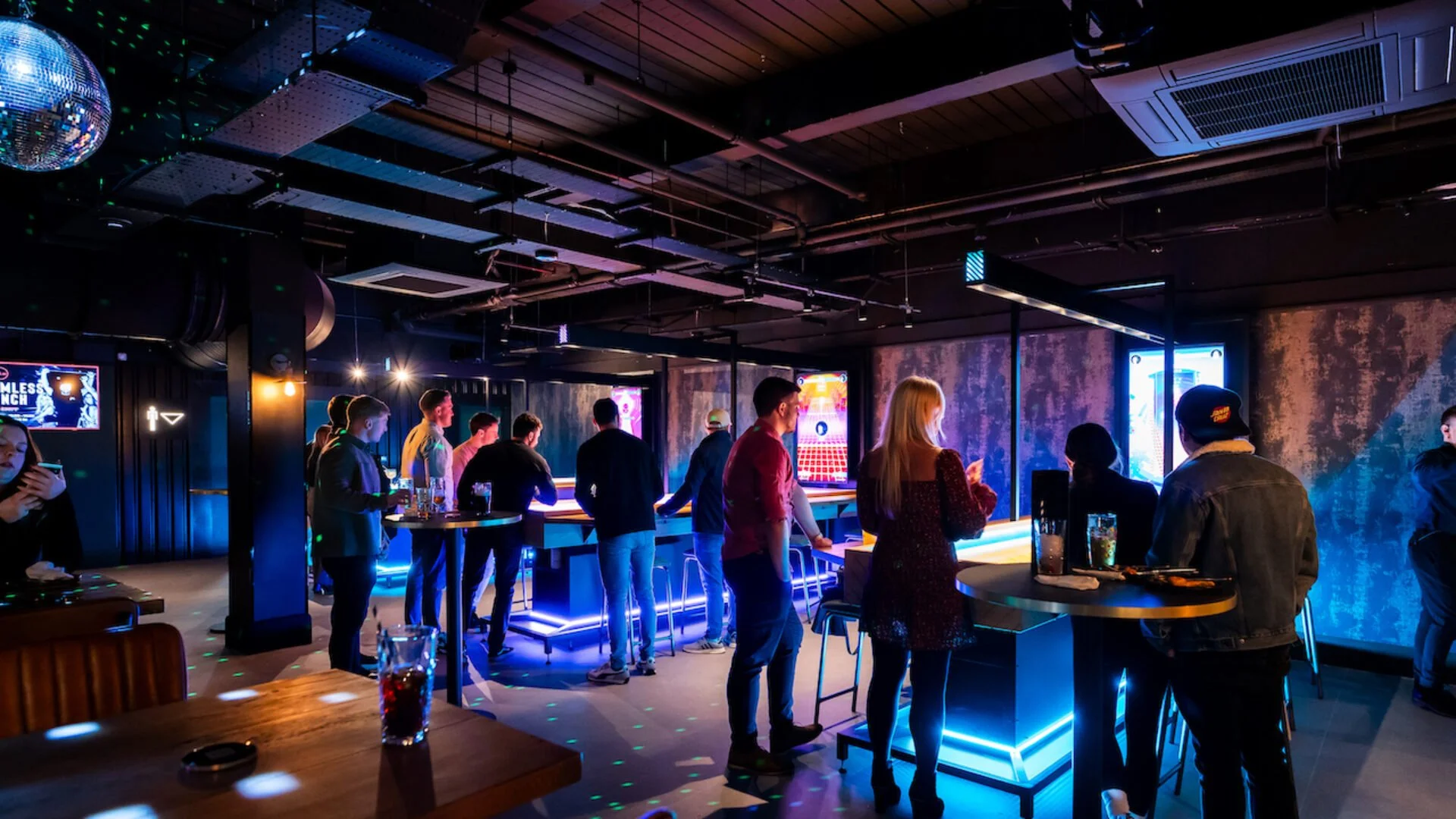
Modern hospitality is more experience-led than ever. People still care about food and drink, but that is not always enough on its own. Guests want something they can share, something they can do together and something that makes the visit feel more memorable.
That shift is one of the main hospitality entertainment trends shaping the market. Bars, restaurants and leisure venues are all under pressure to offer more than the basics. The venues that stand out are often the ones that give people a reason to stay longer and engage more deeply with the space.
This is where the benefits of competitive socialising start to show. It gives venues a way to combine entertainment, atmosphere and social interaction in a format that feels current and commercially useful.
Driving Group Bookings and Mid-Week Revenue
Group bookings are a major reason venues invest in competitive socialising. It gives people a clear activity to organise around, whether that is a work social, birthday, team event or casual group night out.
This can be especially valuable during quieter trading periods. Mid-week demand can be difficult to build through food and drink alone, but a strong entertainment offer gives people a more specific reason to book. That can help venues smooth out trading patterns and bring more revenue into days that are usually harder to fill.
This is also where competitive socialising ROI becomes easier to understand. The return is not just about charging for gameplay. It comes from attracting larger groups, creating more secondary spend and improving the value of each visit across the wider venue.
Creating a Stronger Venue Atmosphere
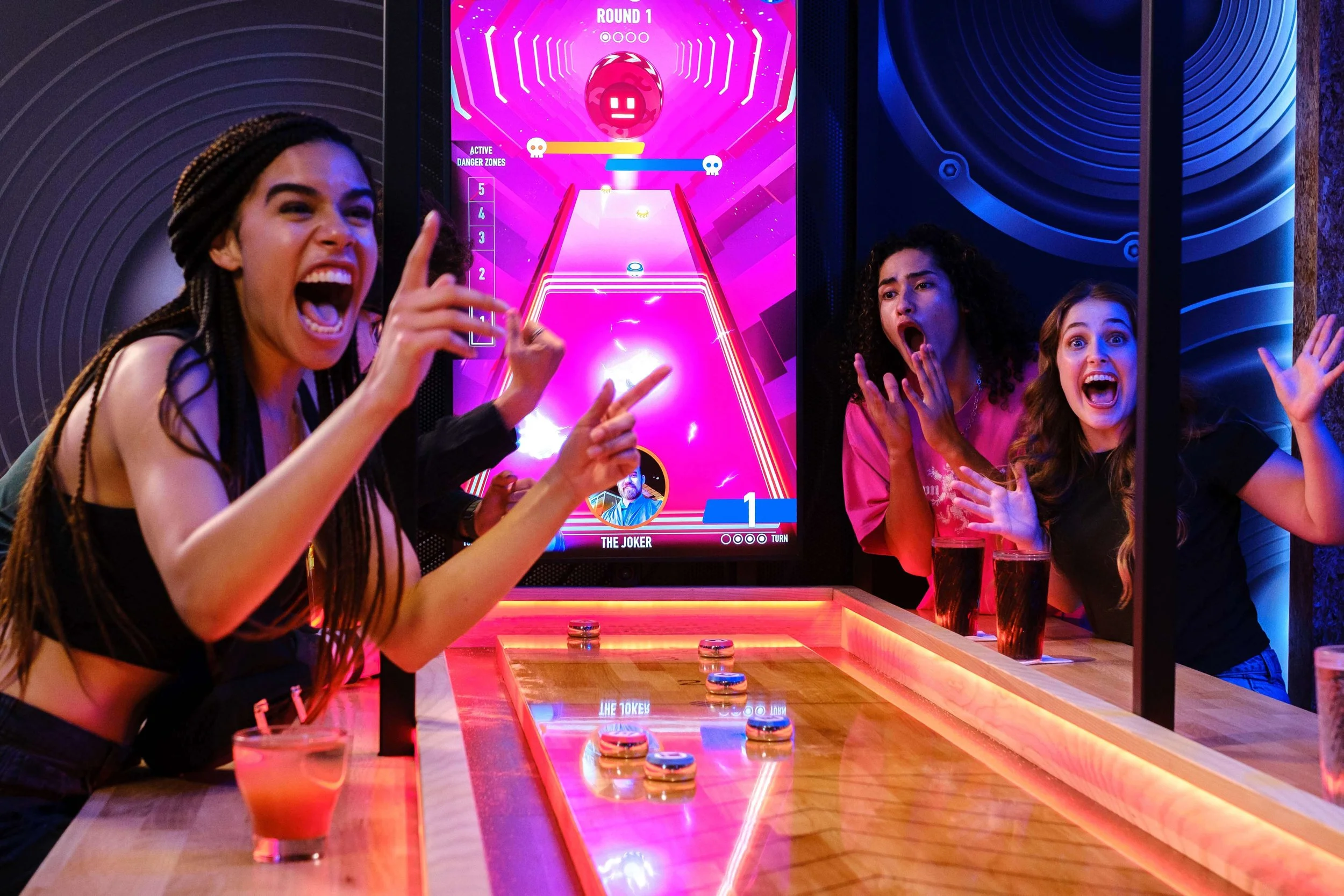
Competitive socialising changes the feel of a space. It adds movement, reaction, noise and energy in a way that can lift the whole venue, not just the people directly taking part.
Good activity-based entertainment creates spectator value as well as player value. People watch, react, talk about what is happening and become part of the atmosphere even if they are not playing themselves. That kind of venue engagement can make a venue feel busier, more social and more memorable.
In practical terms, that stronger atmosphere can help shape how people see the brand. A venue that feels lively and experience-led is often easier to remember and easier to recommend.
Differentiating Your Brand from the Competition
Hospitality is a crowded market. In many towns and cities, guests have plenty of options for where to go. That means venues need a clear reason to be chosen over the place next door.
Competitive socialising helps create that difference. It gives a venue a stronger identity and a more distinctive offer. Instead of competing only on price, drinks or décor, the business can offer an experience that feels more active and more shareable.
This matters both in person and online. If people have a memorable experience, they are more likely to post about it, recommend it and return for another occasion. That makes competitive socialising a useful branding tool as well as an operational one.
Understanding the Return on Investment (ROI)
Competitive socialising ROI should be looked at across the full visit, not just the activity fee. The real value often comes from the extra spend and stronger commercial performance around the game.
If guests stay longer, book in groups and order more food and drink while they play, the return starts to build across multiple parts of the venue. That is why the best competitive socialising concepts are not isolated attractions. They are integrated into the wider customer journey.
For operators, the key question is not only “Will people play this?” It is also “Will this help the venue perform better overall?” In many cases, the answer comes through dwell time benefits, stronger group bookings, repeat visits and a more attractive venue proposition.
Is Competitive Socialising Right for Every Venue?
Competitive socialising is not just an activity. It is often part of the venue concept itself. That makes it easier to build a full experience around it, from group bookings and food and drink packages to spectator moments and social media-friendly gameplay. This is where competitive socialising vs traditional games becomes a useful comparison. Traditional games can still be effective, but they are often more limited in how far they shape the wider experience. Competitive socialising usually gives operators more room to build something around the activity and make it part of the venue identity.
That can be especially useful for operators who want entertainment to play a bigger role in how the venue feels, performs and stands out in the market.
Competitive Socialising vs Arcade Entertainment
Competitive socialising can work well in many settings, but that does not mean every product is right for every space. The best results come when the attraction fits the venue layout, audience, brand and commercial goals.
That is an important part of competitive socialising for venues. It is not about forcing the same idea into every site. A bar, a restaurant, a leisure venue and a family entertainment centre may all need something different. The format, scale and gameplay need to match the way the space is used.
Taking that more balanced view helps build stronger long-term results. It also shows that good planning matters just as much as the product itself.
How Game Volt Supports Venue Success
Game Volt helps operators bring competitive socialising into venues in a way that feels practical, modern and commercially focused. The aim is not just to install a game, but to help venues create stronger guest experiences and better commercial outcomes.
That includes interactive products designed for real venue environments, from social gameplay systems to larger attraction concepts. It also includes support around how those products fit the venue, the audience and the wider experience.
The focus stays on what matters to operators: guest engagement, repeat play, stronger atmosphere and a setup that supports the business over time.
Frequently Asked Questions About Competitive Socialising
What is competitive socialising for venues?
Competitive socialising for venues means using games or shared activities to create a more social, experience-led environment. It combines entertainment with hospitality to help venues attract groups, improve atmosphere and increase the value of each visit.
What are the main benefits of competitive socialising?
Arcade entertainment is often based on quick, individual play. Competitive socialising is usually more group-focused and more closely linked to the wider venue experience, including atmosphere, food, drink and repeat visits.
How does it improve dwell time?
The main benefits of competitive socialising include longer dwell time, stronger repeat visits, better group booking appeal and a more memorable guest experience. It can also help venues stand out in a crowded market.
Does competitive socialising work for small bars or restaurants?
When guests have an activity built into the visit, they usually stay longer. That creates more time for social interaction, more food and drink spend and a stronger overall experience. These dwell time benefits are one of the biggest reasons operators invest in the format.
Discuss Competitive Socialising for Your Space
If you are looking at competitive socialising for your venue, the best place to start is with the right fit. The format, scale and setup all need to support the space and the way your guests use it.
Talk to Game Volt about your goals, your venue and the kind of experience you want to create. We can help you explore interactive solutions that support stronger venue engagement, better guest experiences and a more commercially effective offer.