
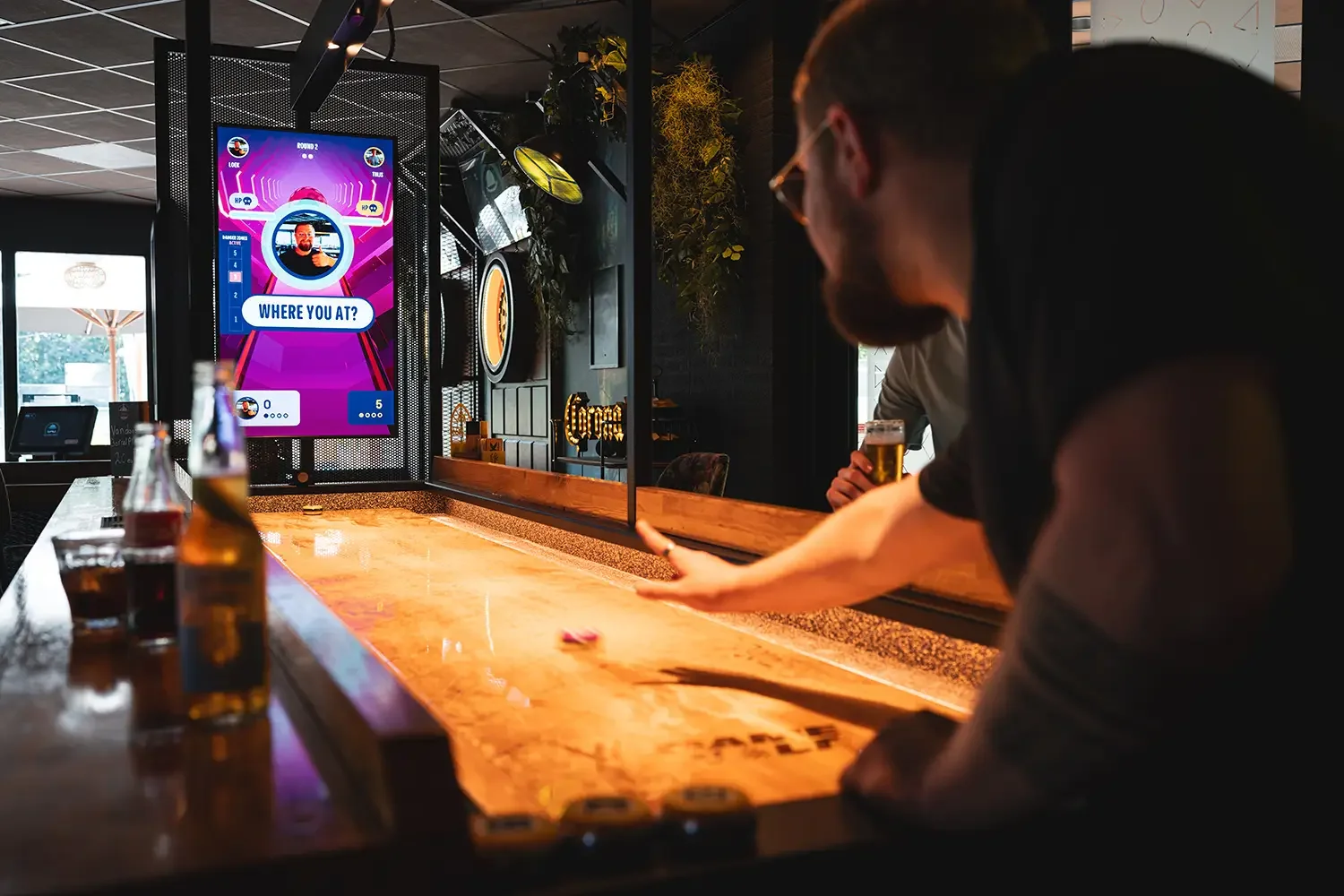
Great Beer Gets People Through the Door. Great Experiences Keep Them There.
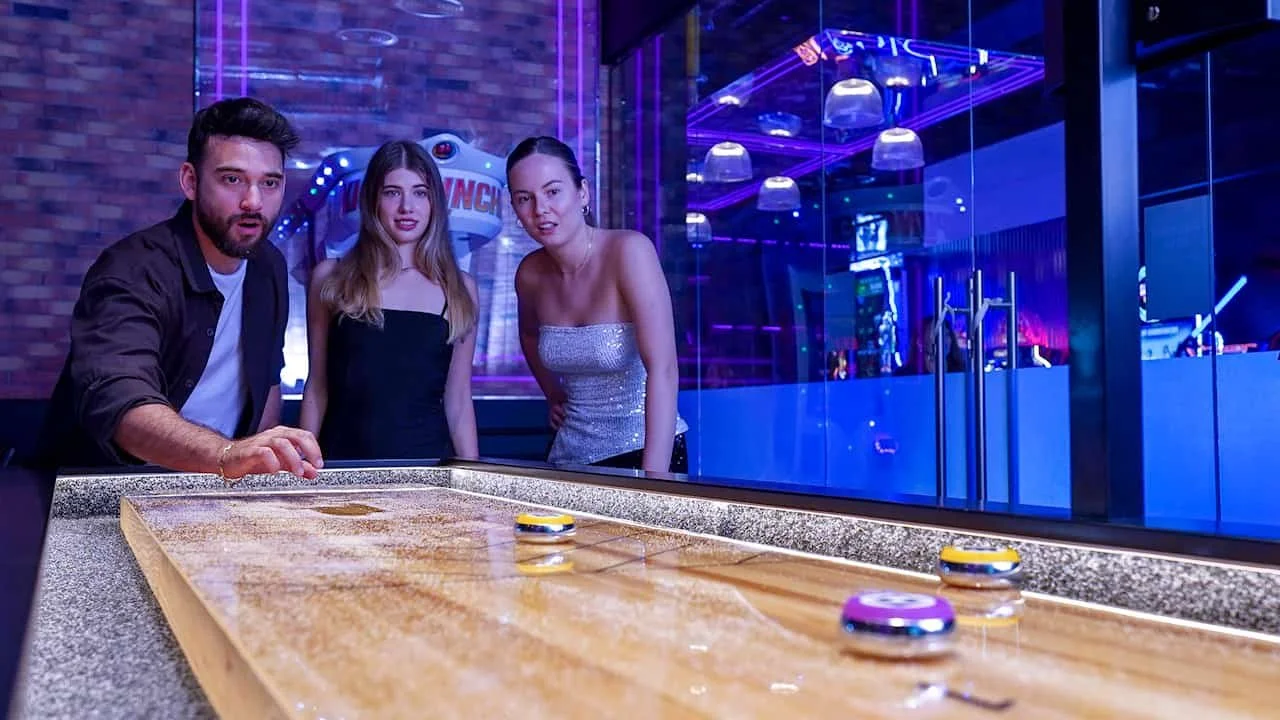
Today's brewery customers are looking for more than exceptional beer. They're looking for places to gather, compete, celebrate and spend quality time together. Whether it's an afternoon with friends, a corporate social, a date night or a family outing, memorable experiences are becoming just as important as what's being poured behind the bar.
Interactive games help transform breweries and taprooms into destinations. By encouraging guests to stay longer, order another round and come back again, they don't just create entertainment. They create measurable commercial value.
From interactive shuffleboard and digital shooting games to immersive social attractions, this guide explores the best interactive games for breweries, why they're becoming increasingly popular and how operators are using them to drive revenue, improve customer experience and stand out in an increasingly competitive market.
Why Interactive Games Are Becoming Essential for Modern Breweries
OPERATOR INSIGHT
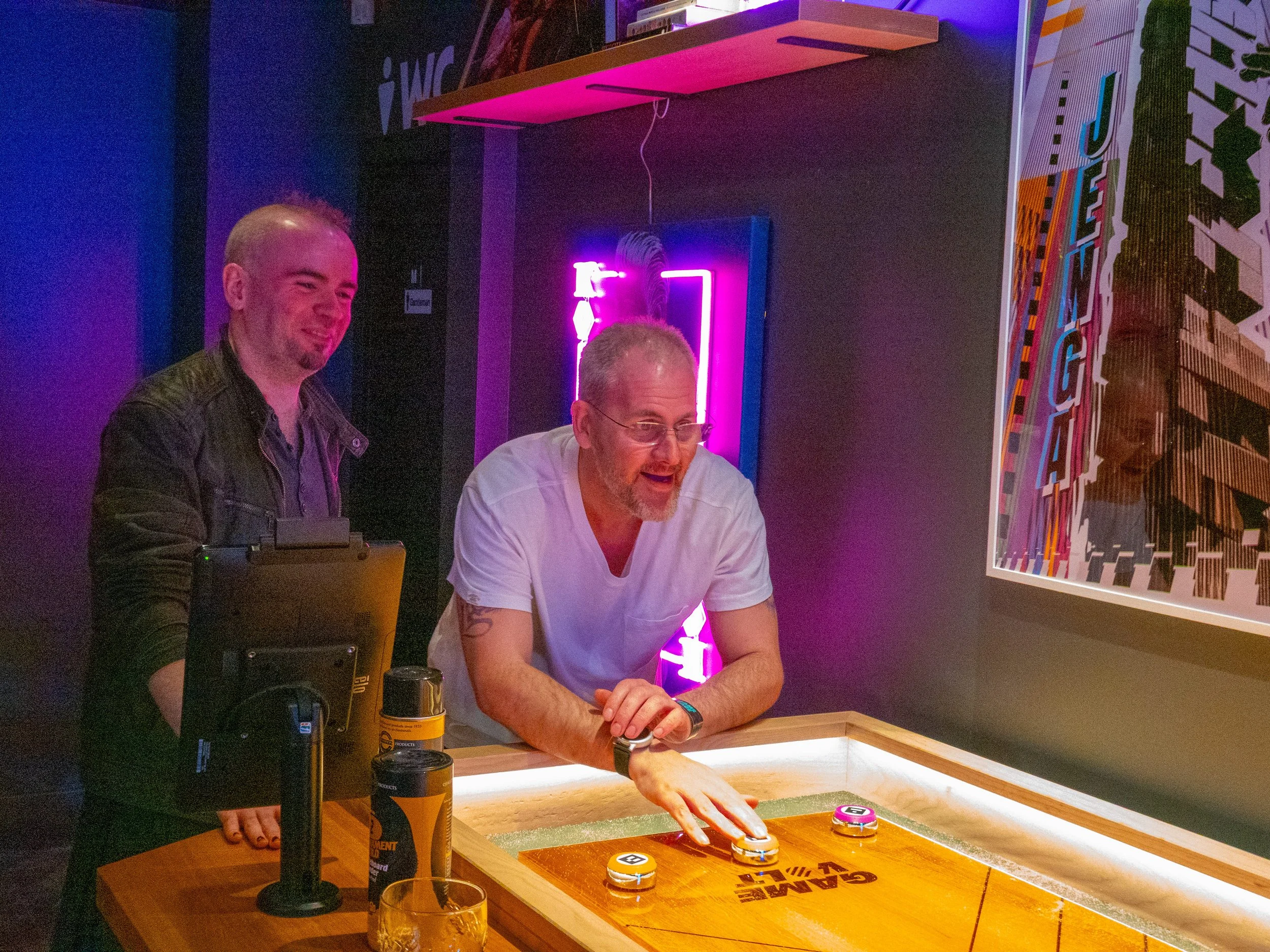
The most successful brewery entertainment doesn't distract from the beer. It complements it. The best attractions encourage conversation, laughter and another round, becoming a natural extension of the hospitality experience rather than competing with it. Learn how Supercharged Shuffleboard has helped hospitality venues create memorable social experiences.
Walk into almost any successful brewery today and you'll notice something has changed.
People aren't simply visiting to sample a new IPA or enjoy a quick pint after work. They're choosing venues that offer an experience. Somewhere they can spend an entire evening, celebrate with friends, host work socials or introduce visiting family to something they can't enjoy anywhere else.
This shift has transformed the brewery landscape over the last decade. While exceptional beer remains at the heart of every great brewery, it's no longer the only reason people choose one venue over another. Customers increasingly value atmosphere, social interaction and memorable experiences, especially when deciding where to spend their leisure time.
For brewery operators, that presents both a challenge and an opportunity.
As more breweries open their own taprooms and brewpubs, competition has grown significantly. Many produce outstanding beer, serve excellent food and offer welcoming spaces, making it increasingly difficult to differentiate on product quality alone. The venues that thrive are often those that give customers another compelling reason to visit, stay longer and return again.
Interactive games have emerged as one of the most effective ways to achieve exactly that.
Unlike traditional entertainment, modern interactive attractions encourage conversation rather than interrupting it. Guests can enjoy another drink while they play, cheer each other on, celebrate great shots and create shared moments that naturally become part of the overall brewery experience.
For operators, the benefits extend well beyond entertainment. The right attraction can increase dwell time, encourage additional food and drink purchases, attract larger groups, support private hire and create regular events that keep customers returning throughout the year.
In this guide, we'll explore the different types of interactive games available, what makes them successful in brewery environments and how to choose attractions that deliver long-term value for both your guests and your business.
Why Breweries Are Investing in Interactive Entertainment

The modern brewery has evolved far beyond a place to enjoy a great pint.
Across the UK, Europe and North America, breweries and taprooms have become destinations in their own right. Customers are increasingly seeking venues where they can spend an entire afternoon or evening, whether that's catching up with friends, celebrating a special occasion, enjoying a date night or entertaining colleagues after work. Great beer remains the foundation of every successful brewery, but today's guests are also looking for memorable experiences that give them a reason to stay a little longer.
For brewery operators, that shift in customer expectations presents a significant opportunity.
Competition has never been greater. Independent breweries continue to open across towns and cities, established brands are expanding their taproom offerings, and pubs, bars and competitive socialising venues are all competing for the same leisure spend. Producing exceptional beer is no longer enough to guarantee repeat visits when customers have so many high-quality options available.
Instead, successful operators are asking a different question.
"What else can we offer that makes people choose our brewery over somewhere else?"
For many, the answer lies in creating experiences that encourage guests to engage with the venue rather than simply passing through it.
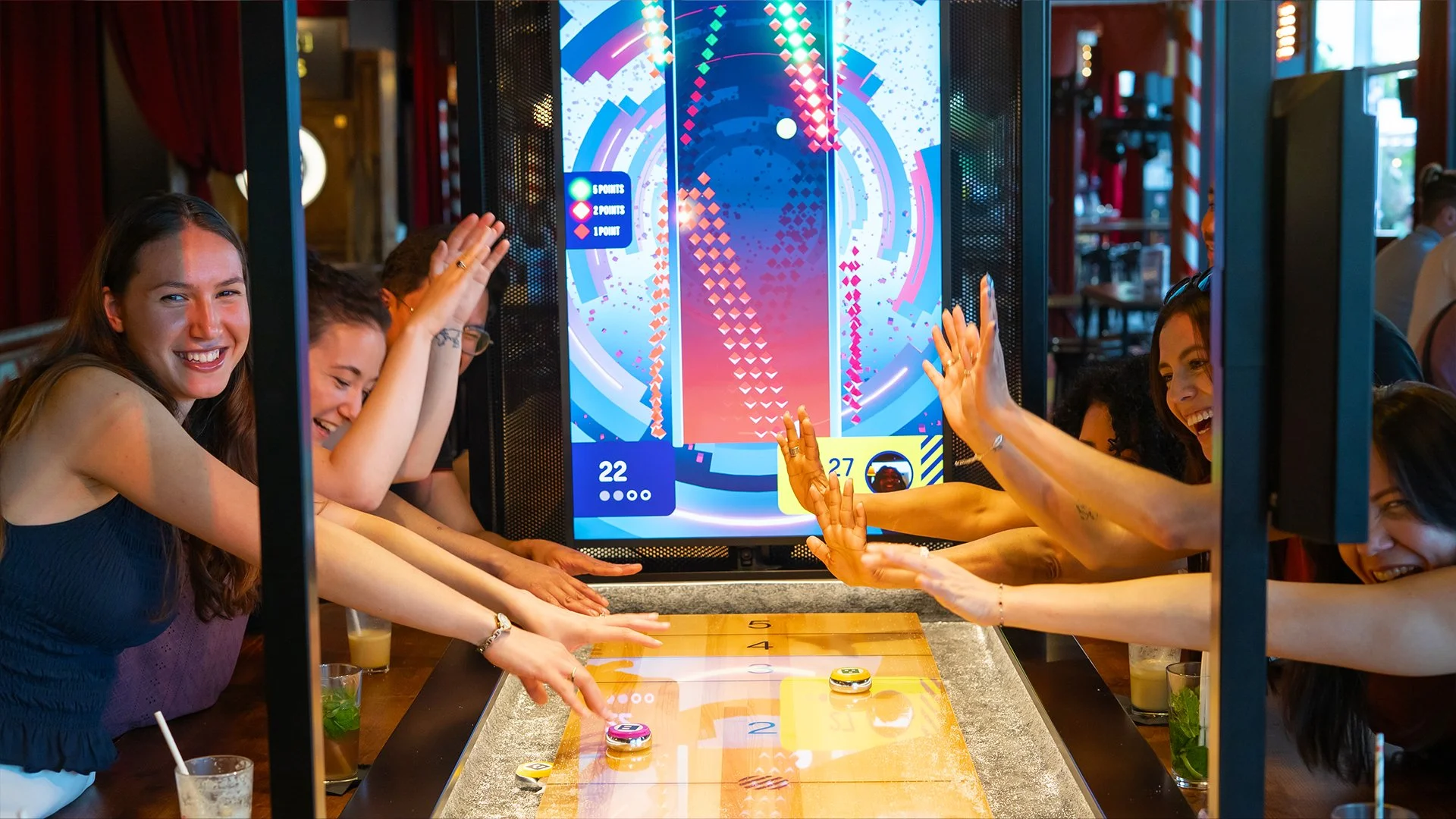
Interactive entertainment has become one of the most effective ways to achieve exactly that. Unlike passive entertainment, such as televisions or background music, interactive games encourage participation, conversation and friendly competition. They give guests a reason to extend their visit naturally, often ordering another drink or sharing food while they play.
The commercial impact of this behavioural shift can be substantial. Even a modest increase in average dwell time often translates into higher food and beverage sales, greater spend per head and improved profitability without increasing customer acquisition costs. Rather than constantly searching for new visitors, breweries can generate more value from the customers they already attract.
increase dwell time without changing your core offering
One of the biggest advantages of introducing interactive games into a brewery is that they enhance the experience without changing what made the venue successful in the first place.
Guests still come for the beer.
The entertainment simply gives them another reason to stay.
A group who might previously have enjoyed one or two drinks before moving elsewhere can instead spend another hour competing, chatting and ordering another round. Families looking for an afternoon activity gain an experience that appeals to multiple generations, while corporate groups gain a venue that's ideal for informal team building and networking.
Unlike live entertainment or one-off events, interactive attractions work every day of the week. They don't rely on booking performers or organising special occasions. Instead, they provide consistent value from opening until closing, creating reasons to visit on quieter weekday afternoons just as effectively as they enhance busy Friday and Saturday evenings.
For operators, that means revenue opportunities aren't limited to peak trading periods. The right attraction can help spread customer demand throughout the week, making traditionally quieter sessions more commercially productive.
Turn First-Time Visitors Into Regular Customers
Most breweries invest significant time and money attracting new customers through marketing, social media, events and collaborations. While attracting new visitors is essential, encouraging those customers to return is often even more valuable.
Interactive entertainment naturally supports repeat visitation because no two visits feel exactly the same.
Different opponents, different game modes, league tables, seasonal competitions and friendly rivalries all create reasons to come back. Guests begin recommending the venue to friends, organising group visits and returning to improve their scores or settle unfinished competitions.
These shared experiences are also highly shareable. A close match, a dramatic winning shot or a celebratory team photo is exactly the kind of content people enjoy posting online. Every tagged photo, video or social media story helps extend the brewery's reach beyond its existing customer base, introducing the venue to new audiences through genuine recommendations rather than paid advertising.
In an increasingly competitive hospitality market, memorable experiences are becoming just as valuable as memorable products.
Games Should Enhance the Brewery Experience, Not Distract From It
Not every attraction is suited to a brewery environment.
The best brewery entertainment allows guests to continue enjoying great beer, conversation and food while they play. Rather than becoming the sole focus of the visit, it enhances everything the venue already offers.
That's why attractions that encourage social interaction consistently outperform experiences that isolate players or demand constant concentration. Games that accommodate spectators, encourage friendly competition and allow food and drinks to remain part of the experience create a far more natural fit within brewery and taproom environments.
This balance is particularly important for operators. Entertainment should never reduce food and beverage sales by drawing guests away from the bar. Instead, it should create additional opportunities for customers to order another drink, share food with friends and spend more time enjoying the venue.
When chosen carefully, interactive games don't compete with hospitality.
They amplify it.
Why More Brewery Operators Are Investing in Interactive Entertainment
The right interactive attraction can help breweries:
Increase average customer dwell time
Encourage additional food and drink purchases
Differentiate from competing breweries and pubs
Create reasons for repeat visits
Support corporate bookings and private hire
Introduce regular leagues and community events
Appeal to a wider demographic, including families and mixed-age groups
Generate organic social media exposure through shareable experiences
Maximise revenue from underused areas within the venue
Strengthen customer loyalty through memorable, repeatable experiences
What Makes a Great Interactive Game for a Brewery or Taproom?
Not every game belongs in a brewery.
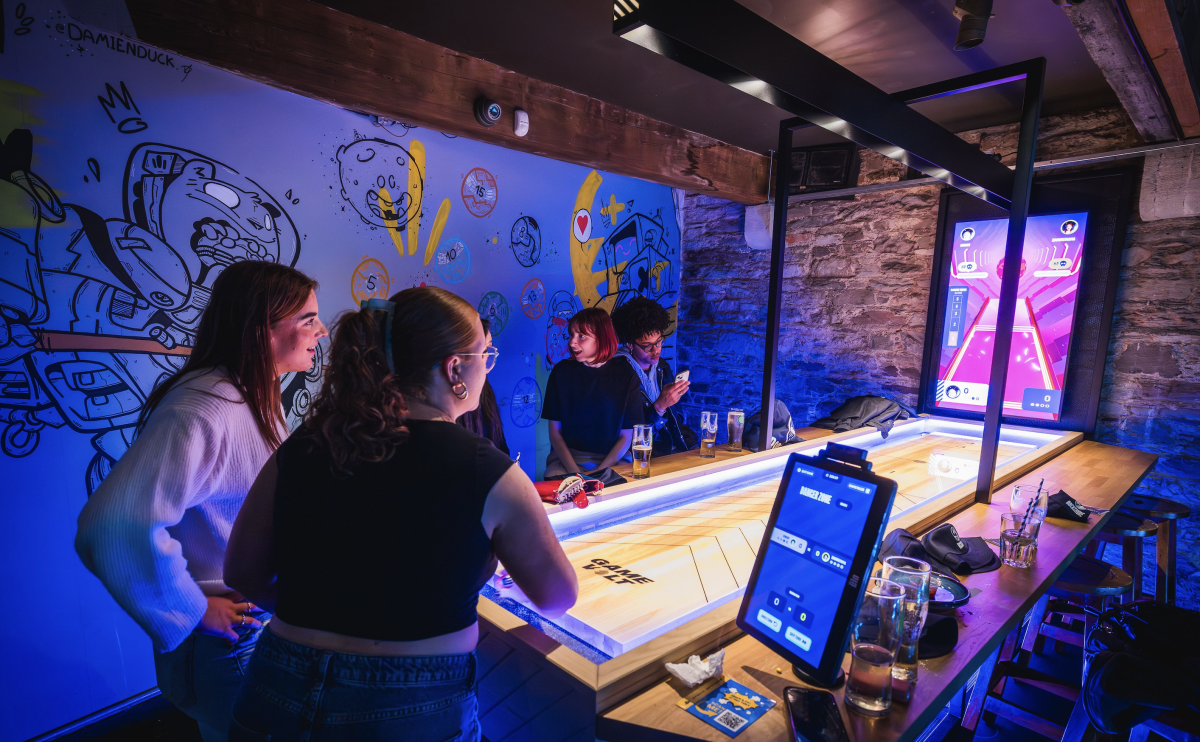
What works brilliantly in an arcade, family entertainment centre or bowling venue doesn't always translate to a brewery or taproom, where the pace is different and the focus remains firmly on socialising. The best brewery games don't dominate the experience. Instead, they complement it, creating another reason for guests to stay, interact and enjoy everything your venue already offers.
Before investing in any form of brewery entertainment, it's worth considering what separates a commercially successful attraction from one that quickly loses its appeal.
The most successful interactive games share several characteristics that encourage repeat play, maximise guest engagement and support the wider hospitality experience.
Easy to Learn, Difficult to Master
The best brewery games can be understood within minutes.
Guests shouldn't need lengthy instructions, staff demonstrations or complicated tutorials before they can start having fun. Whether someone walks in for the first time or has played dozens of times before, they should be able to join a game quickly and confidently.
That simplicity is particularly important in hospitality environments, where groups often include players of different ages and experience levels. Games with intuitive controls and straightforward objectives encourage wider participation and reduce barriers to entry.
However, simplicity shouldn't come at the expense of replayability.
The strongest attractions introduce layers of skill that reward practice over time. New players can enjoy themselves immediately, while experienced players continue returning to improve their scores, master new strategies and challenge friends.
That balance between accessibility and depth is one of the defining characteristics of successful competitive socialising experiences.
Designed for Groups, Not Individuals
Breweries are inherently social spaces.
People visit with partners, friends, colleagues and family members, making group participation one of the most important considerations when choosing entertainment.
The most effective brewery games encourage people to interact with one another rather than isolating individuals behind a screen. They create conversation, laughter, friendly rivalry and shared moments that become lasting memories.
Just as importantly, they also engage spectators.
Not everyone needs to be actively playing for entertainment to be valuable. Games that are easy to watch naturally generate atmosphere throughout the venue, encouraging other guests to gather, cheer and eventually take part themselves.
This spectator appeal creates a ripple effect that extends far beyond the players themselves.
Built for Repeat Play
Novelty wears off quickly.
Many attractions create excitement during the first visit but offer little reason for customers to return.
Successful brewery entertainment is different.
Multiple game modes, changing strategies, different opponents, team formats and seasonal competitions all encourage repeat visits by ensuring the experience feels fresh every time.
This is particularly valuable for local breweries that rely on repeat custom from nearby communities. The more reasons customers have to return, the stronger the long-term commercial value of the attraction becomes.
Low Operational OverheadS
Entertainment should make life easier for operators, not harder.
Complicated attractions that require constant supervision, lengthy setup or frequent maintenance can quickly become a burden for busy hospitality teams.
The best interactive games operate with minimal staff involvement. Automated scoring, intuitive interfaces and robust technology allow guests to begin playing quickly while staff remain focused on delivering excellent food and drink service.
This also improves the customer experience, reducing waiting times and creating a smoother journey from arrival to gameplay.
Flexible Enough to Grow With Your Venue
Every brewery is different.
A small independent taproom has very different requirements to a large destination brewery, beer hall or multi-site hospitality group.
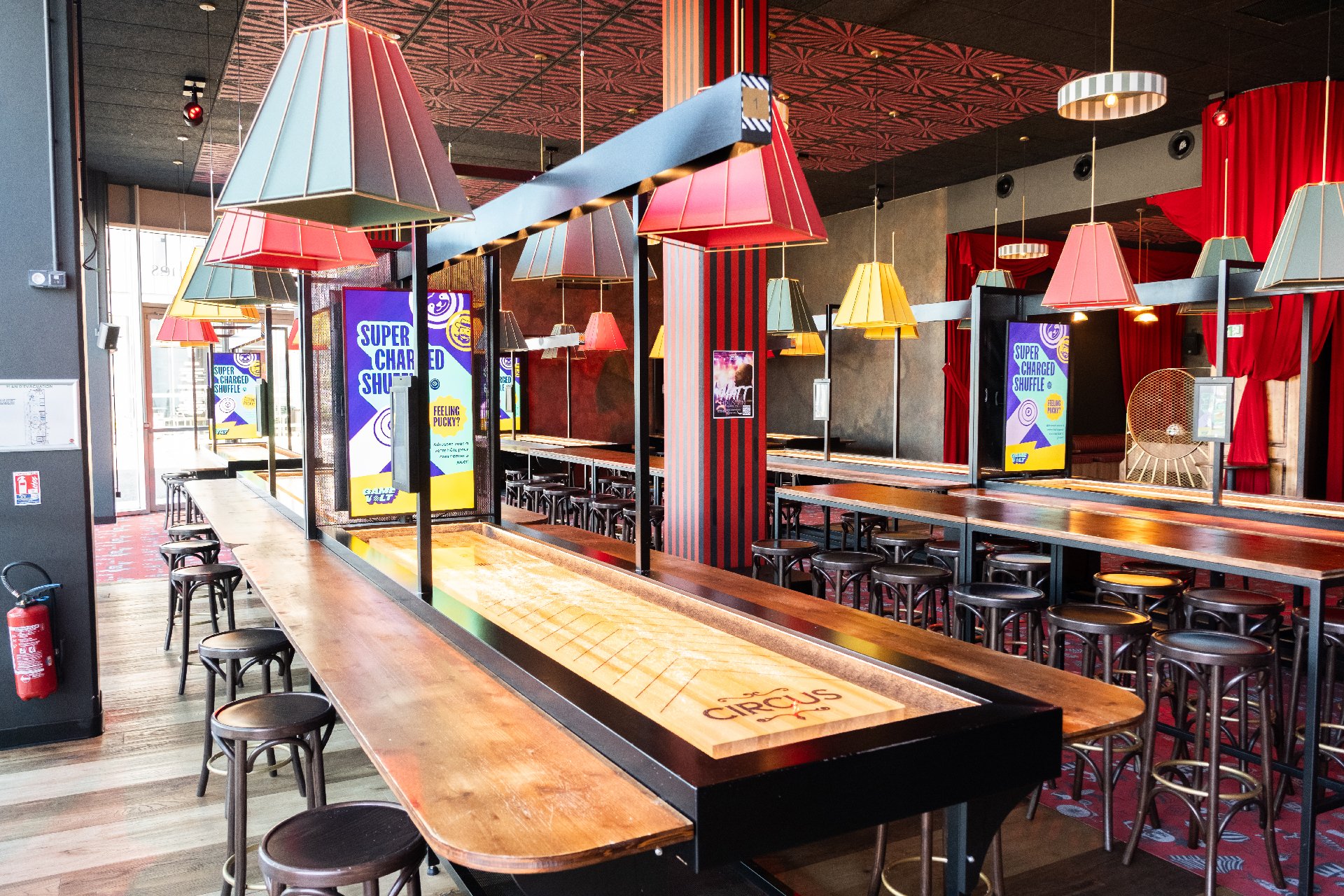
The ideal entertainment solution should be capable of growing alongside your business. Whether you're introducing your first attraction, expanding an existing entertainment offering or creating a flagship social venue, flexibility allows you to maximise your investment over time.
Scalable attractions also provide opportunities to introduce new game modes, software updates and themed experiences, keeping the offering fresh without replacing the underlying equipment.
Choosing the Right Attraction Is About More Than the Game
The most successful brewery entertainment isn't defined solely by technology or features.
It's measured by the atmosphere it creates, the conversations it sparks and the commercial results it delivers.
A great attraction should encourage customers to stay longer, support food and drink sales, strengthen customer loyalty and become part of what makes your brewery memorable. When those elements come together, entertainment stops being an add-on and becomes an integral part of the guest experience.
The Best Interactive Games for Breweries & Taprooms
There isn't a single attraction that's right for every brewery.
The ideal entertainment depends on your venue size, customer demographic, available floor space and the type of experience you want to create. Some attractions excel at encouraging relaxed social interaction, while others create high-energy competition that becomes the focal point of an evening.
The most successful breweries often think less about installing a game and more about creating an experience that complements their brand. A craft brewery focused on relaxed conversation may benefit from a different attraction than a high-capacity beer hall, city centre taproom or destination venue hosting regular events.
Below are some of the most popular entertainment options available to modern breweries, along with where each performs best.
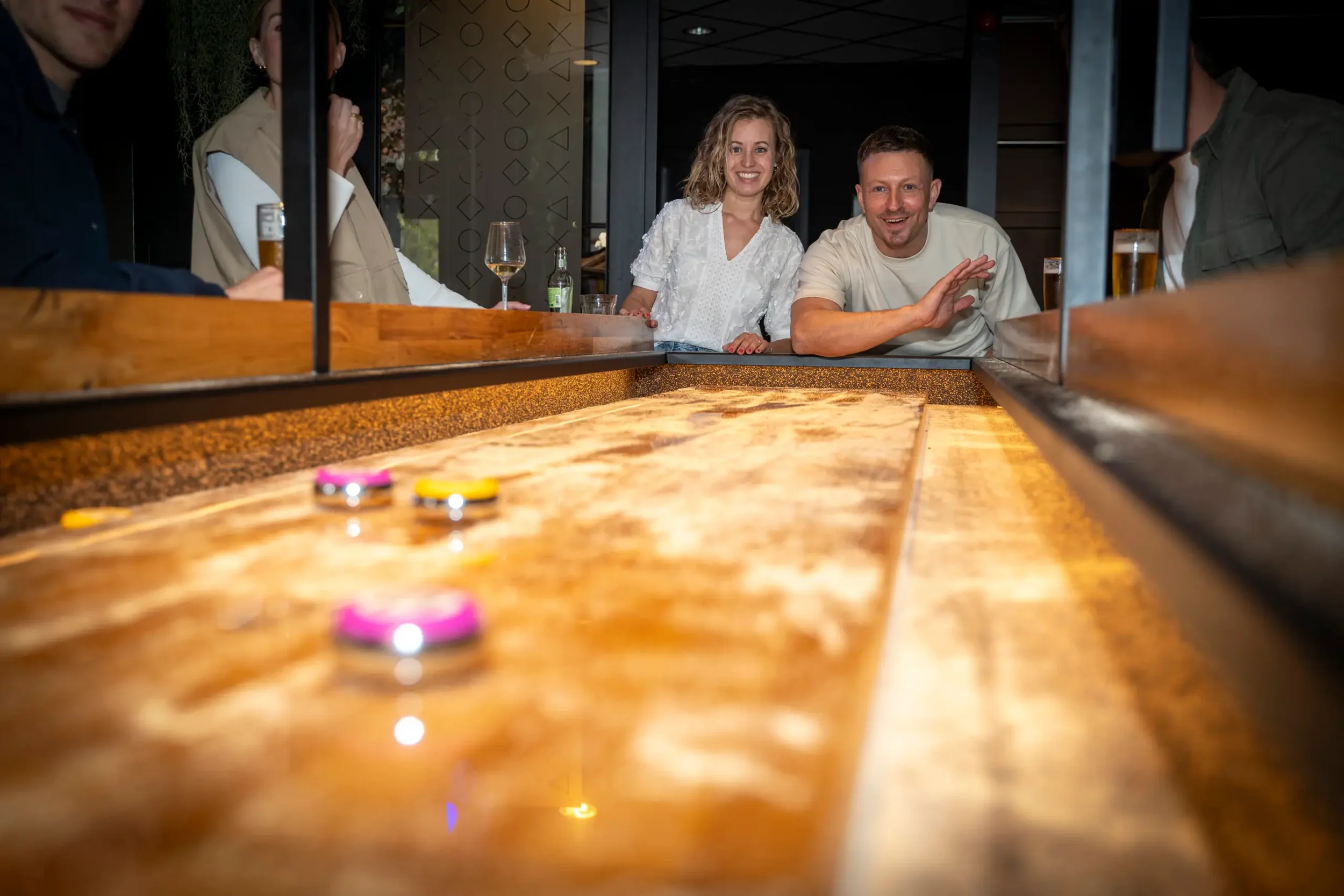
Interactive Shuffleboard
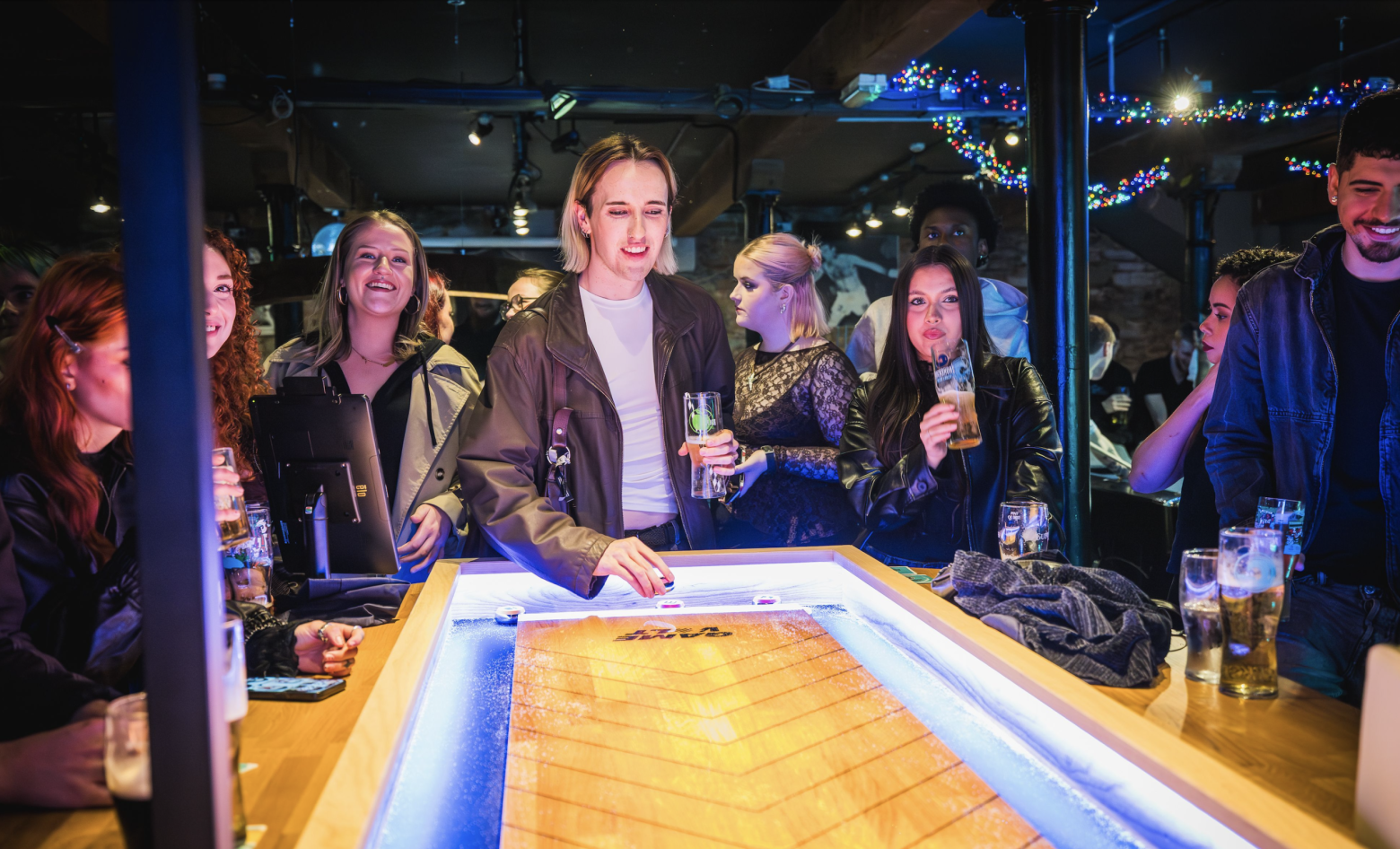
nteractive shuffleboard has rapidly become one of the most popular attractions within competitive socialising venues, and for good reason.
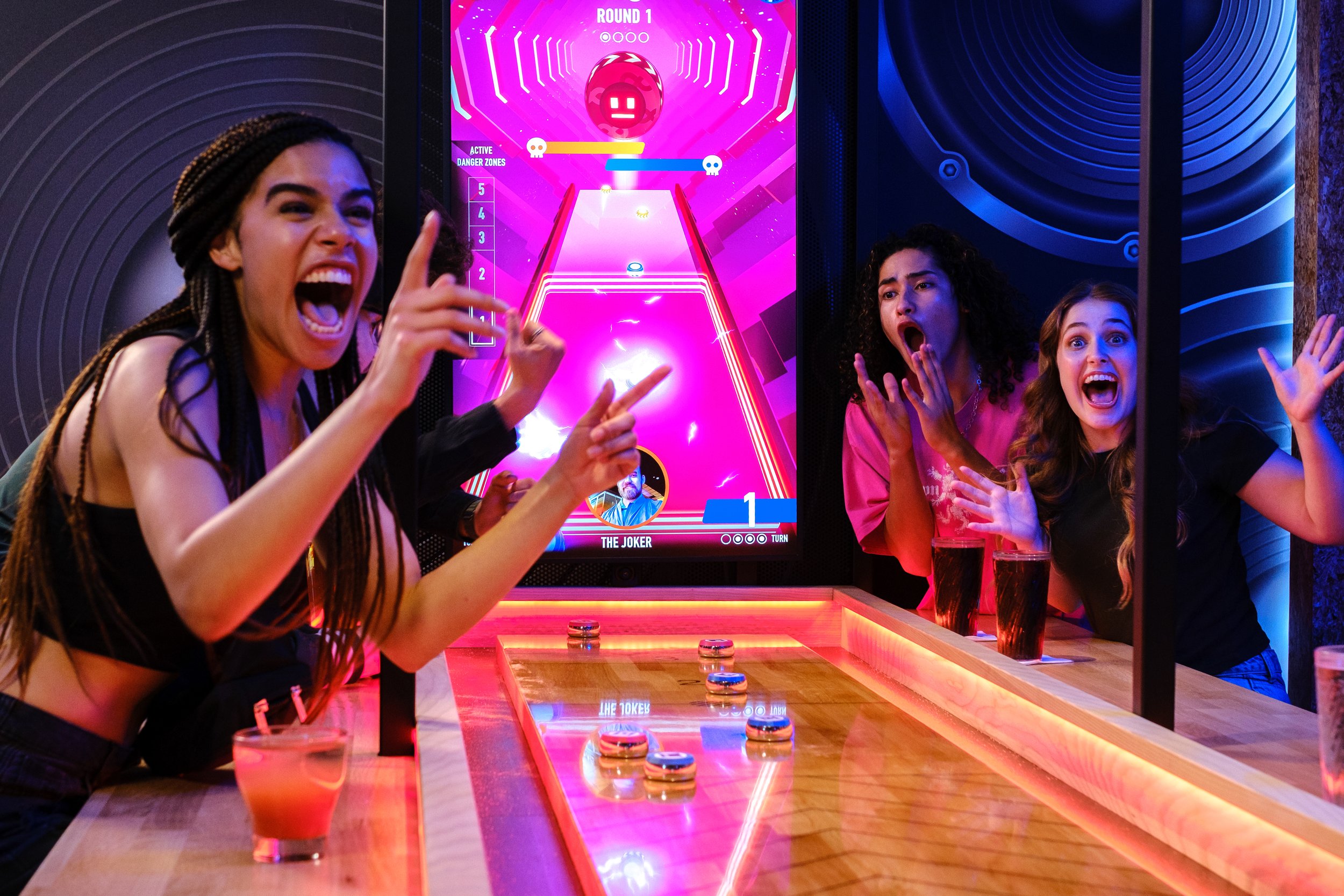
Unlike traditional shuffleboard, which relies on manual scoring and limited game formats, interactive systems automatically track every puck, calculate scores instantly and unlock multiple game modes from a single table. This creates a far more accessible experience for first-time players while providing enough variety to keep returning customers engaged.
For breweries, interactive shuffleboard strikes an ideal balance between entertainment and hospitality. Guests remain standing around the table, chatting, ordering drinks and sharing food while they play. The game encourages friendly competition without demanding complete concentration, allowing conversation to continue naturally throughout.
Because games are quick to learn and suitable for almost every age group, interactive shuffleboard works equally well for couples, families, corporate groups and larger social gatherings. It also supports organised leagues, tournaments and seasonal events, providing breweries with regular reasons to encourage repeat visits.
Best suited for
Independent breweries
Taprooms
Brewpubs
Competitive socialising venues
Beer halls
Advantages
Excellent replayability
Encourages food and drink sales
Suitable for all experience levels
Automated scoring
Multiple game modes
Strong spectator appeal
Ideal for league play
Considerations
Requires dedicated floor space
Premium installation compared with traditional pub games
Traditional Shuffleboard
Traditional shuffleboard remains a popular option for breweries looking to introduce social gameplay without investing in digital technology.
The simplicity of the game appeals to many guests, particularly those already familiar with pub shuffleboard. However, manual scoring and limited gameplay can reduce long-term replayability, particularly for venues hoping to build organised competitions or encourage repeat visits.
For operators seeking a straightforward attraction with minimal technology, traditional shuffleboard still has a place. However, breweries looking to create a premium destination experience often find that interactive systems generate significantly higher engagement.
Best suited for
Traditional pubs
Smaller taprooms
Budget-conscious venues
Advantages
Simple gameplay
Lower initial investment
Familiar format
Considerations
Manual scoring
Limited game variety
Lower replay value
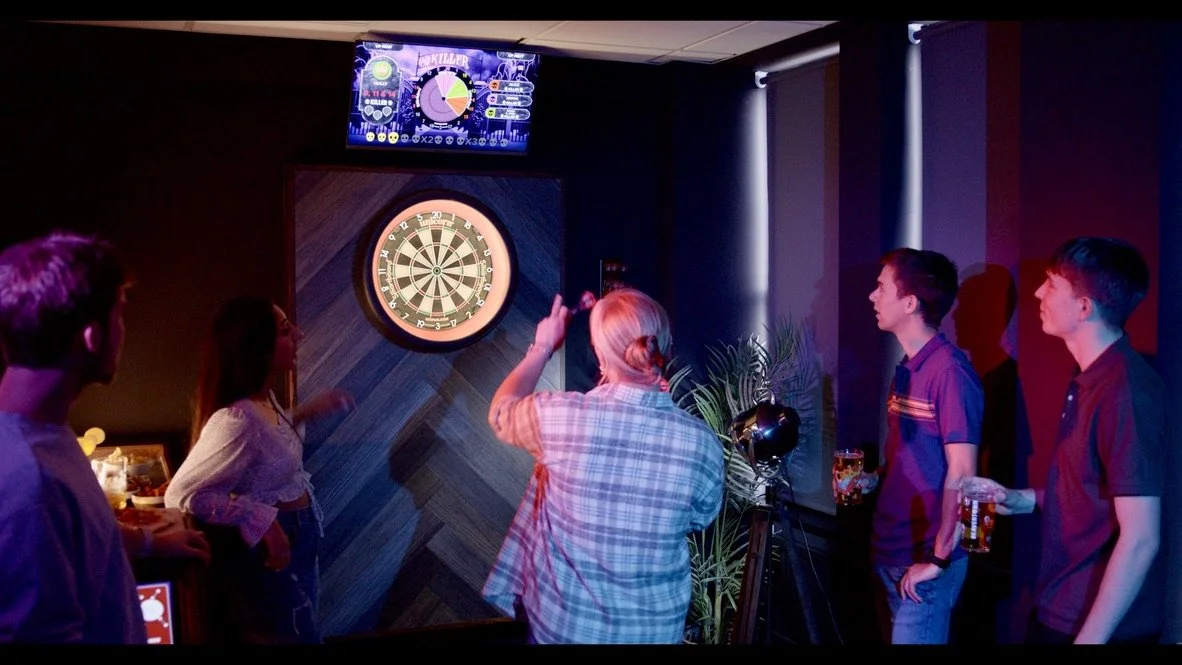
darts
Darts has long been associated with pubs and breweries, making it a natural addition to many venues.
Traditional dartboards remain inexpensive and familiar, while digital systems have introduced automatic scoring and interactive game formats that appeal to newer audiences.
For breweries with an existing darts culture or available wall space, darts can provide an excellent supplementary attraction. However, compared with larger social games, it typically accommodates fewer players at one time and creates less visual impact within the venue.
Best suited for
Traditional pubs
Community breweries
Smaller groups
Advantages
Well known
Compact footprint
Competitive gameplay
League opportunities
Considerations
Smaller player groups
Requires safe throwing area
Less spectator engagement
Pool TableS
Pool continues to be one of the most recognisable social games within hospitality.
Its familiarity makes it accessible to almost every customer, and many breweries already dedicate space to one or two tables. Pool also encourages repeat visits through leagues and informal competitions.
However, games can occupy a table for extended periods, limiting customer throughput during busy trading sessions. Operators should also consider maintenance requirements, including cue replacement and cloth upkeep.
Best suited for
Traditional pubs
Sports bars
Community venues
Advantages
Universally recognised
Strong league culture
Long-established appeal
Considerations
Longer game duration
Higher maintenance
Lower customer throughput
Interactive shooting games
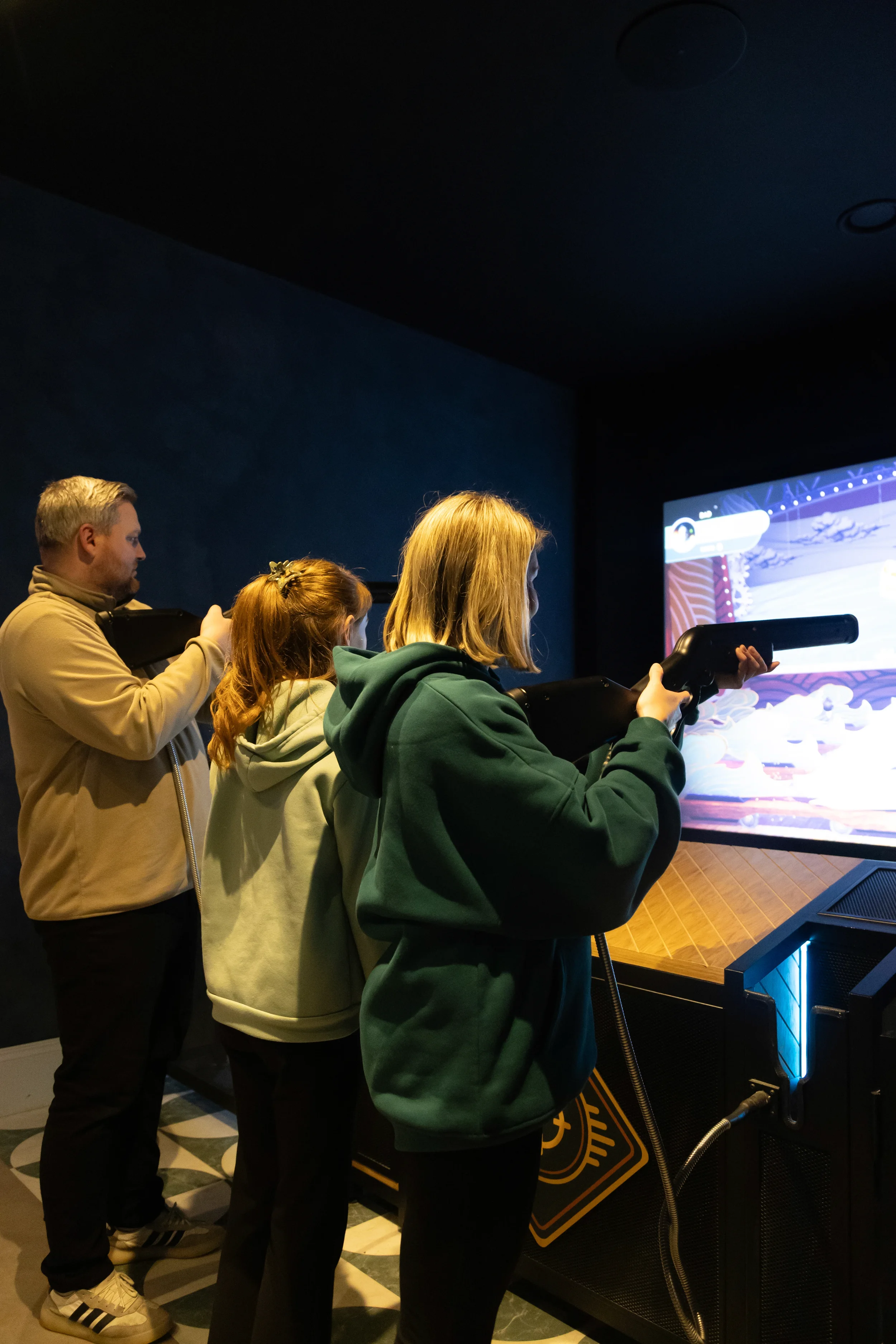
Interactive shooting games combine physical gameplay with digital scoring, reactive targets and multiple game modes.
Unlike traditional arcade shooting games, modern systems encourage players to compete together in short, energetic rounds that suit hospitality environments particularly well.
For breweries seeking something visually striking that attracts attention from across the venue, interactive shooting games create an immediate focal point while encouraging repeat play through different challenges and scoring formats.
Best suited for
Destination breweries
Entertainment-led taprooms
Larger hospitality venues
Advantages
Eye-catching attraction
High replayability
Multiple game formats
Quick game sessions
Considerations
Dedicated installation space
Best suited to medium and larger venues
Immersive Interactive Games
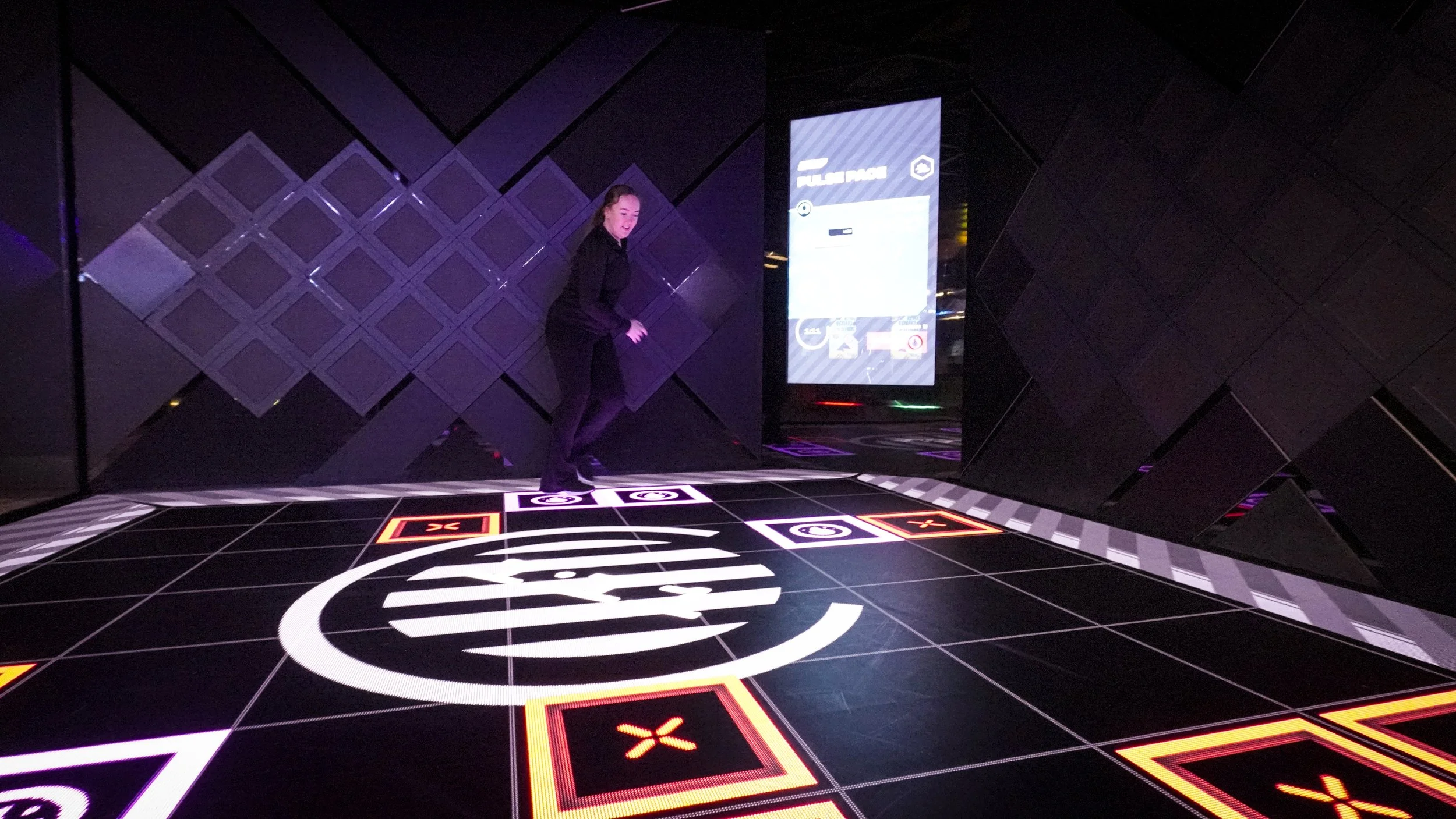
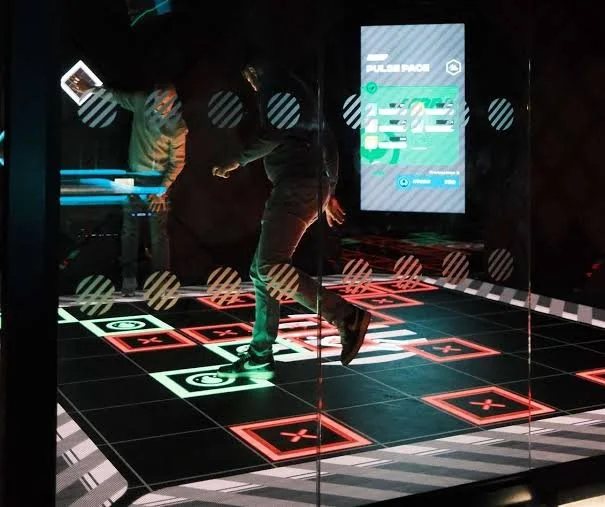
Larger breweries and entertainment-focused venues are increasingly investing in immersive attractions that transform entire spaces into multiplayer experiences.
Interactive floors, projection technology and digital walls allow operators to host team games, family activities, branded events and corporate experiences that go far beyond traditional pub games.
While these installations require greater investment and floor space, they can become headline attractions that significantly increase footfall and position a brewery as a destination venue rather than simply somewhere to enjoy a drink.
Best suited for
Large breweries
Beer halls
Multi-activity venues
Entertainment destinations
Advantages
High capacity
Premium guest experience
Supports branded events
Flexible software
Suitable for families and corporate groups
Considerations
Larger footprint
Higher investment
Best utilised in high-footfall venues
Frequently Asked Questions About Interactive Games for Breweries & Taprooms
Choosing the right entertainment for your brewery is a big decision, and it's natural to have questions before making an investment. Below, we've answered some of the questions we're asked most often by brewery owners, taproom operators and hospitality businesses exploring interactive games for the first time.
Choosing the Right Attraction
-
There isn't a one-size-fits-all answer because every brewery is different. A small neighbourhood taproom has very different requirements to a large destination brewery with hundreds of guests each weekend.
That said, interactive shuffleboard has become one of the most popular choices because it strikes an excellent balance between entertainment and hospitality. It's easy to learn, encourages conversation, accommodates a wide range of ages and keeps guests engaged without taking them away from the food and drink experience. Larger venues may also benefit from immersive attractions such as interactive floors or shooting games, particularly if they're looking to position themselves as entertainment destinations as well as breweries.
-
Start by thinking about your customers rather than the technology.
How much space do you have available? Are most of your visitors couples, families or larger groups? Are you hoping to increase dwell time, attract corporate bookings or create a standout feature that differentiates your brewery from local competitors?
The right attraction should support those goals, not compete with them. It should fit naturally into the way your customers already use the space and encourage them to spend longer enjoying everything your venue has to offer.
-
Absolutely.
Smaller venues often assume entertainment is only practical in large breweries, but that's rarely the case. Many interactive attractions have relatively modest footprints and can transform an underused corner into one of the busiest parts of the venue.
The key is choosing an attraction that matches your available space and doesn't interrupt the natural flow of customers. In many cases, a single well-positioned game delivers a bigger impact than several smaller attractions competing for attention.
Space, Installation & Operations
-
The answer depends on the size of the table you choose and the surrounding circulation space.
As a general rule, it's important to leave enough room for players to move comfortably, spectators to gather and staff to continue serving without creating bottlenecks. Good placement is just as important as the size of the attraction itself, which is why many operators consider entertainment as part of a wider venue layout rather than treating it as an afterthought.
-
Yes. In fact, many installations take place as part of refurbishments rather than brand-new builds.
Whether you're replacing unused seating, making better use of underperforming space or refreshing your taproom, interactive games can often be integrated without the need for major structural changes. Planning the layout carefully before installation helps ensure the attraction complements your existing operation and maximises visibility throughout the venue.
-
Modern interactive attractions are designed to be as simple as possible.
Automatic scoring, intuitive interfaces and clear on-screen instructions allow guests to start playing with minimal assistance, leaving your team free to focus on delivering great hospitality. That's particularly valuable during busy trading periods, when staff attention is better spent serving customers than explaining rules or keeping score.
Commercial Benefits
-
While every venue is different, one of the biggest commercial benefits of interactive entertainment is that it encourages guests to stay longer.
People who remain in your venue for an extra hour are naturally more likely to order another drink, share food or try a second round of tasting paddles. That's why attractions that complement conversation, rather than interrupt it, often perform so well in brewery environments.
The game isn't replacing your core business. It's helping more people enjoy it for longer.
-
Yes, but perhaps not in the way many operators expect.
A new attraction might initially generate curiosity, but the long-term value comes from giving people a reason to recommend your brewery to friends, share their visit on social media or return for another event.
When entertainment becomes part of your identity, your venue has something competitors can't easily replicate.
-
Like any investment, success depends on choosing the right attraction and using it well.
Operators who integrate entertainment into their wider marketing strategy, events calendar and customer experience generally see far stronger results than those who simply install a game and leave it to speak for itself. The attraction should become part of how your brewery operates, not just another feature on the floor.
Guest Experience
-
Many are.
Interactive shuffleboard, in particular, appeals to a broad audience because it's easy to understand and rewards skill rather than strength. Families, friendship groups, couples and colleagues can all enjoy the same activity together, making it a versatile addition to breweries that welcome guests throughout the day.
-
That's one of the biggest advantages of choosing the right attraction.
Unlike experiences that demand complete concentration, games such as interactive shuffleboard encourage conversation between turns. Guests remain engaged with the people they're with, continue ordering food and drinks and enjoy the atmosphere around them, rather than becoming isolated from it.
-
Very well.
Many businesses are looking for alternatives to traditional after-work drinks or formal team-building activities. Interactive games provide a relaxed way for colleagues to compete, chat and spend time together without the pressure of structured activities. For breweries, that opens up valuable opportunities for private hire, networking events and corporate bookings throughout the year.
Why Brewery Operators Choose Game Volt
Installing entertainment isn't just about buying a piece of equipment.
It's about choosing something that fits your venue today and continues delivering value for years to come.
At Game Volt, we don't believe great entertainment should feel bolted on. It should feel like it has always belonged there, complementing your brewery's atmosphere, encouraging people to stay longer and giving customers another reason to come back.
That's why every product we develop starts with the same question:
"Will this make the guest experience better?"
If the answer isn't yes, we go back to the drawing board.
Designed Around Hospitality, Not Arcades
There's a big difference between adapting an arcade game for a bar and designing an attraction specifically for hospitality.
Breweries are social spaces. People are there to catch up with friends, discover new beers and spend time together. Entertainment shouldn't interrupt that experience. It should enhance it.
Every Game Volt attraction is designed with that in mind.
Games are intuitive enough for first-time players, engaging enough to encourage repeat visits and paced to work naturally alongside food and drink service. The result is entertainment that feels at home in a brewery rather than borrowed from somewhere else.
Built to Keep Guests Coming Back
The first visit is important.
The second, third and tenth are where the real value lies.
That's why our products are built around replayability. Multiple game modes, regular software updates and competitive formats mean guests don't feel like they've seen everything after one visit.
Whether you're running a weekly shuffleboard league, hosting a corporate social or simply welcoming groups looking for something different to do, the experience stays fresh long after installation day.
more Than a Supplier
Choosing entertainment isn't just about selecting the right product. It's about making the right commercial decision for your venue.
We'll help you think beyond the installation itself, discussing everything from layout and guest flow to event ideas, revenue opportunities and long-term growth. The aim isn't simply to sell you a game. It's to help you create an experience that works for your customers and your business. Consider us your commercial success partners.
Whether you're opening your first taproom or expanding an established brewery, we'll work with you to find a solution that fits your space, your audience and your ambitions.
Technology That Evolves With Your Venue
Hospitality never stands still, and neither should your entertainment.
Because our attractions are software-driven, they're designed to grow over time. New game modes, feature updates and branded experiences can be introduced without replacing the entire installation, helping you keep the experience feeling fresh for returning guests.
It also means your investment is working harder for longer, giving you the flexibility to adapt as your venue evolves.
Trusted by Hospitality Operators Around the World
Game Volt attractions can be found in breweries, bars, family entertainment centres, cruise ships and competitive socialising venues across the world.
That breadth of experience matters.
It means we've seen how different venues operate, how guests behave in different environments and what separates attractions that become genuine destinations from those that quickly lose their appeal.
Every lesson we've learned has shaped the products we build today.
Ready to Create a Brewery Experience People Talk About?
The breweries attracting the most attention today aren't always the biggest or the oldest.
They're the ones giving people a reason to choose them.
Great beer will always be at the heart of your business. Interactive entertainment simply gives guests another reason to stay for one more drink, bring their friends next time or recommend your brewery to someone else.
If you're exploring ways to increase dwell time, encourage repeat visits or make better use of your space, we'd love to help.
Whether you're still gathering ideas or ready to start planning your next project, our team is here to talk through the options and help you find the right solution for your brewery.
Explore our interactive games, book a demo or get in touch to start the conversation.