
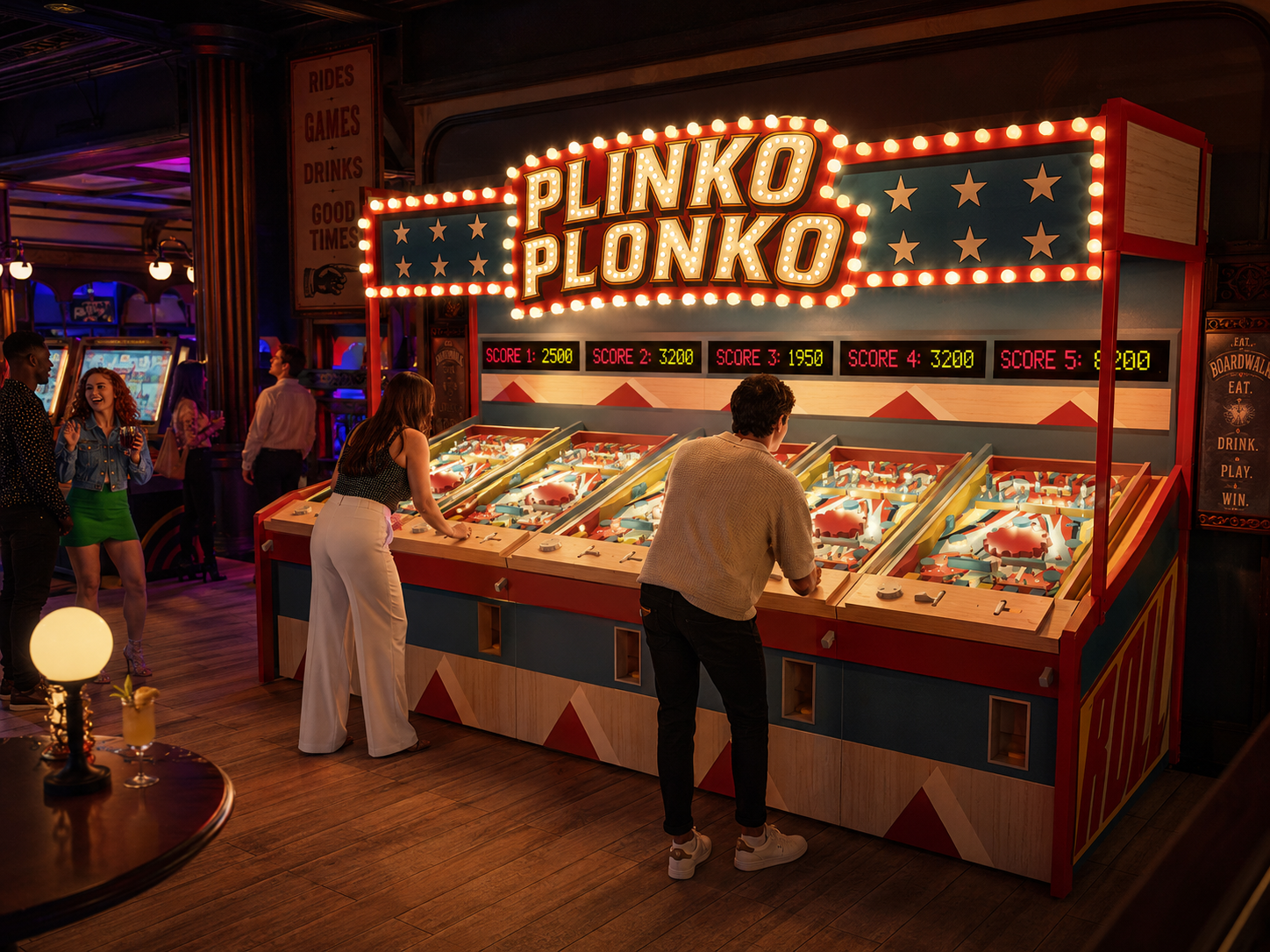
Competitive Socialising vs Arcade and Traditional Games
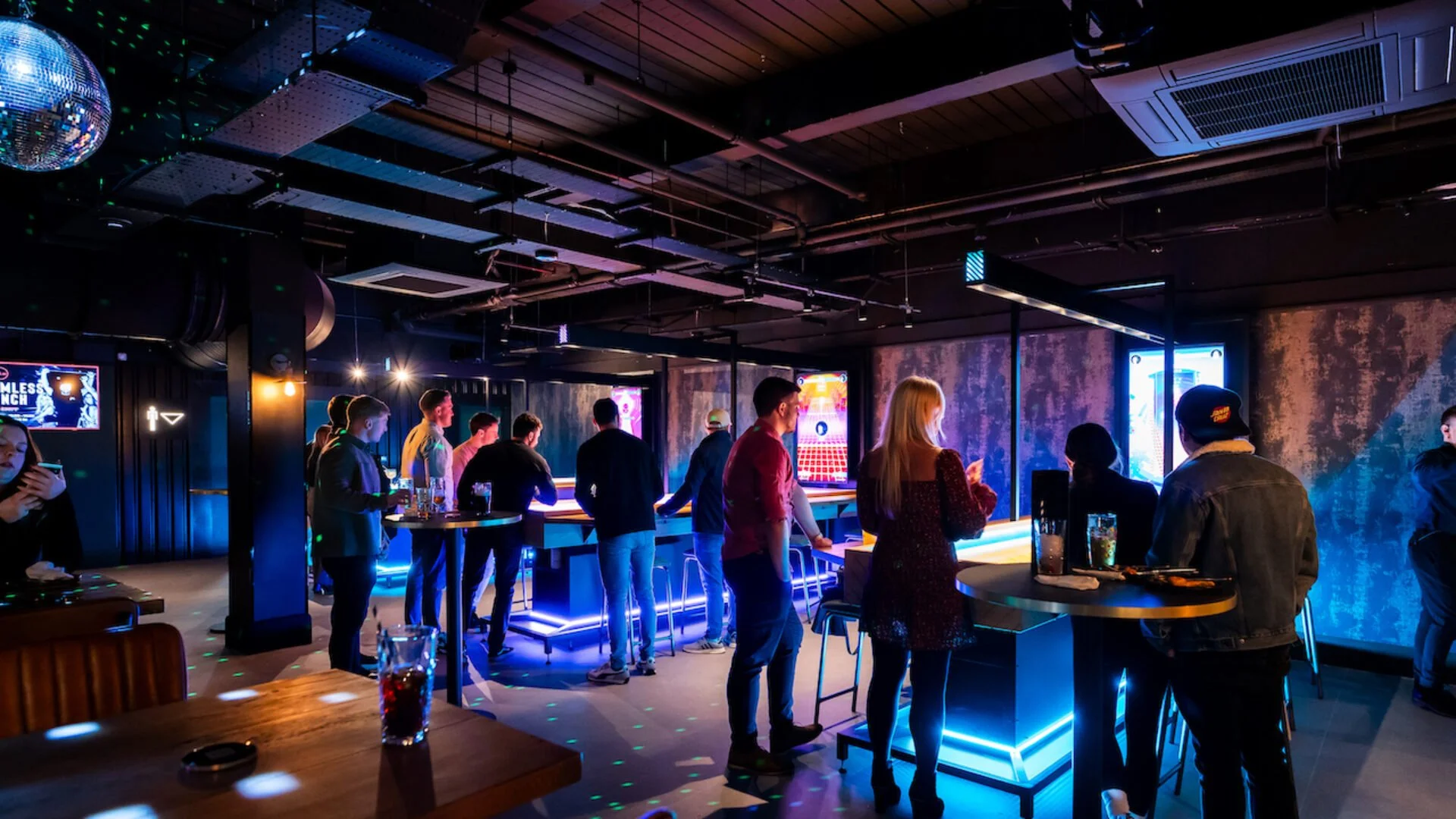
Venue operators now have more choices than ever when it comes to entertainment. For many, the real question is no longer whether to offer an activity, but which type of activity makes the most sense for the space, the audience and the commercial model. That is why more people are comparing competitive socialising vs arcade entertainment and looking more closely at competitive socialising vs traditional games.
All of these formats can work in the right setting. Arcade entertainment still has strong appeal. Traditional games still have value. But competitive socialising offers something different. It is built around group play, social energy and repeat engagement in a way that fits modern hospitality and leisure venues more naturally.
This guide looks at the differences in simple terms, so venue operators can better understand where each format fits and why competitive socialising continues to grow.
What Is Competitive Socialising?
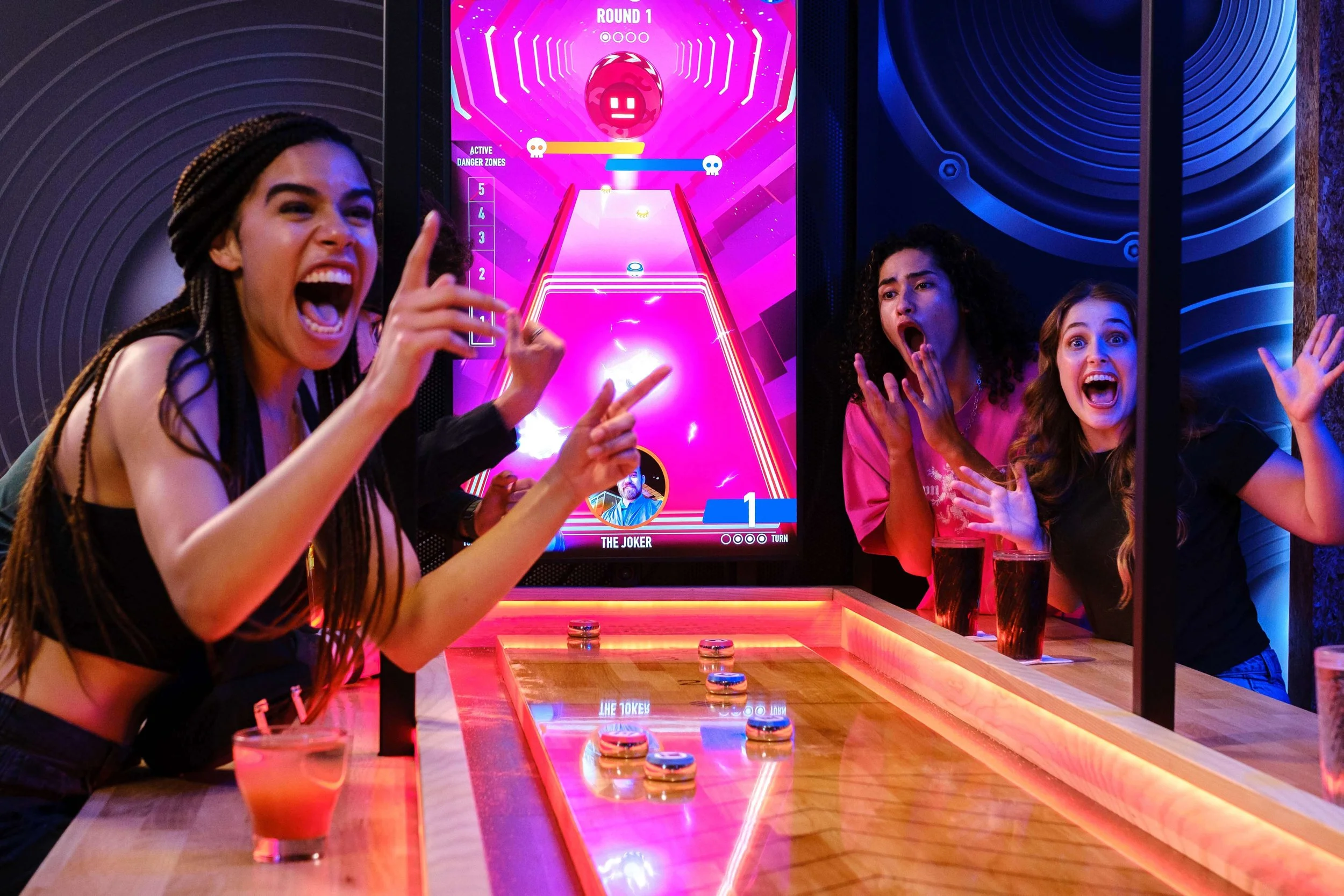
In most competitive socialising venues, the game is only part of the experience. The wider goal is to create something people can do together, talk about and come back to. That could be digital shuffleboard, interactive shooting games, tech-led attractions or other group-based formats that make the venue feel more active and more memorable.
The key point is that competitive socialising is designed for modern venue use. It is not just about the game. It is about the full guest experience around it.
What Counts as Non-Digital or Arcade Entertainment?
Non-digital entertainment usually refers to more traditional games and activities that do not rely on connected systems, digital scoring or interactive technology. That could include classic pub games, simple physical attractions or more passive leisure formats.
Traditional games and arcade entertainment both still have value. They can be familiar, accessible and easy to install. But they often create a different type of guest behaviour from competitive socialising, and that difference matters when operators are building a full venue experience.
Competitive socialising is a type of entertainment built around games, hospitality and shared experiences. It combines social interaction with friendly competition, usually in a setting where food, drink and atmosphere are just as important as the activity itself.
The Main Difference Is How People Engage
The biggest difference between competitive socialising and more traditional entertainment formats is the way people take part. Competitive socialising is usually built around group involvement. People play together, react together and stay engaged together.
In arcade entertainment, the experience is often shorter and more individual. Guests may drop in for a quick play, then move on. With traditional games, the activity can still be social, but it is often less structured and less tied into the wider venue experience.
Competitive socialising is different because it is designed to create stronger shared moments. The game is part of a bigger social setting. That can make it easier for venues to build energy, atmosphere and repeat engagement around the activity.
Competitive Socialising Creates More Group Interaction
Group interaction is one of the main reasons competitive socialising works so well. The format is built for shared play, not just individual participation. Players can compete head-to-head, play in teams, react to score changes and stay involved even when it is not their turn.
That creates a different kind of atmosphere from many arcade and non-digital entertainment formats. Instead of one person playing while others watch casually, the whole group is more likely to stay connected to what is happening.
For venues, that matters. A stronger group experience usually means stronger energy around the space. It keeps more people engaged for longer and helps turn the activity into something that feels like part of the venue, not just an add-on in the corner.
It Fits Hospitality Settings More Naturally
One of the biggest strengths of competitive socialising is that it fits hospitality spaces well. Bars, restaurants and leisure venues need activities that work alongside food, drink and conversation. Competitive socialising is designed with that in mind.
Many arcade entertainment formats can feel more separate from the wider venue. They may still draw interest, but they do not always connect as naturally with longer social visits. Some traditional games do fit hospitality well, but they are not always designed to support a stronger commercial experience around them.
Competitive socialising venues tend to work differently. The activity supports the atmosphere, the dwell time and the social flow of the venue. It gives people a reason to stay, order another round and spend more time in the space together.
It Offers Better Replay Value for Venues
Replay value is another important difference. Competitive socialising often gives guests more reasons to play again. That might come from multiple rounds, different game modes, stronger competition or the simple fact that the experience feels social enough to repeat.
Some arcade entertainment can also have replay value, but it is often built around shorter, quicker plays. That can be effective in high footfall environments, but it does not always create the same depth of engagement.
Traditional games can certainly encourage repeat play too, but competitive socialising often adds more structure and presentation around the experience. For operators, that can make it easier to turn gameplay into longer sessions, stronger spend and more repeat visits over time.
It Is Easier to Build a Full Experience Around
Competitive socialising is not just an activity. It is often part of the venue concept itself. That makes it easier to build a full experience around it, from group bookings and food and drink packages to spectator moments and social media-friendly gameplay. This is where competitive socialising vs traditional games becomes a useful comparison. Traditional games can still be effective, but they are often more limited in how far they shape the wider experience. Competitive socialising usually gives operators more room to build something around the activity and make it part of the venue identity.
That can be especially useful for operators who want entertainment to play a bigger role in how the venue feels, performs and stands out in the market.
Competitive Socialising vs Arcade Entertainment
When comparing competitive socialising vs arcade entertainment, the difference usually comes down to format and purpose. Arcade entertainment often focuses on quick play, individual action and simple access. It can work well for casual visits and fast turnover.
Competitive socialising usually takes a broader approach. It is more group led, more venue integrated and more connected to the wider hospitality experience. The goal is not just to provide a game, but to create a shared activity that supports dwell time, social interaction and repeat bookings.
That does not mean arcade entertainment has no value. It still suits many venues and audiences. But competitive socialising often offers a different kind of commercial return, especially for venues built around longer visits, group occasions and stronger atmosphere.
Competitive Socialising vs Traditional Games
Traditional games still have a place in hospitality and leisure. They are familiar, easy to understand and often popular because people already know how they work. In the right venue, that simplicity can still be a strength.
But when looking at competitive socialising vs traditional games, the difference is usually in the level of structure, presentation and commercial flexibility. Competitive socialising tends to feel more designed. It often uses technology, scoring systems, visual feedback or multiple game formats to create a more complete experience.
For modern venues, that can make a real difference. It can help the activity feel more current, easier to market and more closely tied to the wider commercial goals of the business.
Why More Venue Operators Are Choosing Competitive Socialising
More operators are choosing competitive socialising because it gives them more than just an activity. It can help create atmosphere, increase dwell time, support repeat visits and make the venue more appealing for groups.
It also works well in a market where guests want experiences they can share. Group bookings, social occasions and experience-led visits have become more important across hospitality and leisure. Competitive socialising fits that shift well because it combines entertainment with interaction in a way that feels natural.
For many venues, it is not about replacing every traditional format. It is about choosing the kind of entertainment that best supports the experience they want to create and the return they want to see.
Where Game Volt Fits Into the Competitive Socialising Space
Game Volt helps venues bring competitive socialising to life through interactive products designed for real commercial environments. The focus is on experiences that are social, easy to understand and built for repeat play.
From interactive shuffleboard and digital shooting games to large scale attractions and modern carnival style concepts, Game Volt products are designed to support stronger guest engagement and a better fit with modern hospitality and leisure spaces.
The aim is simple. Help venues create entertainment that feels more current, more social and more commercially effective.
Frequently Asked Questions
What is competitive socialising?
Competitive socialising is entertainment built around games, social interaction and hospitality. It is designed to give groups something active and enjoyable to do together in a venue setting.
How is competitive socialising different from arcade entertainment?
Arcade entertainment is often based on quick, individual play. Competitive socialising is usually more group-focused and more closely linked to the wider venue experience, including atmosphere, food, drink and repeat visits.
Are traditional games still useful in hospitality venues?
Yes. Traditional games can still work well and still have value. But competitive socialising often gives venues more structure, stronger presentation and a clearer role in the overall guest experience.
Why is competitive socialising popular in bars and leisure venues?
It works well because it supports atmosphere, replay value and group engagement. It gives people a reason to stay longer, interact more and come back again.
Explore Competitive Socialising for Your Venue
If you are looking at competitive socialising for your venue, Game Volt can help you explore the right interactive solution for your space, audience and goals.
Get in touch to learn more about the product range and how interactive entertainment can support a stronger venue experience.